
- Testing items & scope
What Is Tested Depends on How People Use the Space
The Clean Label focuses primarily on indoor air and point-of-use water. Representative testing parameters and sampling locations are planned according to the use of the premises, user characteristics, environmental systems, and potential exposure risks.

- Scope comes first
First, Understand This: The Testing Scope Is Not a Fixed Checklist
Hotel guest rooms, classrooms, clinical settings, offices, and food-and-beverage premises differ in occupant density, hours of use, building systems, and patterns of water use.
Even within the same building, spaces on different floors or with different uses may require different sampling locations and testing parameters. The Clean Label therefore does not apply one identical checklist to every premises. It begins by understanding the space and then defines a testing scope appropriate to that location.
Testing Planning Considers
01 The primary use of the space and its hours of operation
02 The number of users and whether sensitive groups are present
03 Air-conditioning, ventilation, and air-treatment systems
04 Whether the building is new, refurbished, or already in use
05 Water supply, storage, pipework, and point-of-use equipment
06 Environmental factors that may affect human exposure or drinking-water quality
The final testing parameters, number of samples, methods, and applicable standards are governed by the officially issued certification criteria and the certification scope confirmed for the premises.
- EXAMPLES OF TESTING AREAS
From Indoor Air and Point-of-Use Water to Water Used in Beverages
Indoor Environmental Quality
The purpose is to understand air conditions in the spaces where people actually stay and carry out activities. The scope may include ventilation and comfort conditions, airborne particles, volatile substances that may be emitted by fit-outs or building materials, and biological contaminants selected according to the risk profile of the premises.
Typical spaces include guest rooms, classrooms, offices, clinical and care settings, food-and-beverage premises, and public-use areas.
Indoor Water Quality
Water that meets supply standards when entering a building may not remain in exactly the same condition after passing through storage systems, building pipework, and point-of-use facilities. This area focuses on the points where people actually come into contact with or use the water.
Possible locations include designated taps, drinking-water equipment, food-preparation water points, ice-making equipment, and other confirmed points of use.
Water for Beverages Prepared On Site
For coffee, tea, and other beverages prepared on site, water is not only an ingredient; it can also affect aroma, taste, and product consistency. This area focuses on water-quality characteristics related to flavour performance and consistency.
Typical premises include coffee shops, tea shops, food-and-beverage establishments, convenience stores with freshly prepared beverage equipment, and other locations where water is an important ingredient.
- Certification combinations
Combined According to Actual Use—Not Identical for Every Premises
The Clean Label may define a certification combination according to the actual use of the premises, drawing from indoor environmental quality, water for everyday use, and water used in beverages.
Core Quality|Indoor Environment and Water for Everyday Use
IEQ+Clean Water
Suitable for spaces primarily used for living, working, learning, leisure, or care, including accommodation, offices, educational spaces, healthcare and care settings, and residential premises. The certified area may be a designated guest room, classroom, office zone, care space, or public-use area.
Premises Serving Beverages|Add Water for Beverage Quality
IEQ+Clean Water+Tasty Water
Suitable for premises that require everyday water quality while also placing importance on beverage flavour performance, including coffee shops, tea shops, food-and-beverage establishments, and retail locations serving freshly prepared beverages.
A certification combination does not mean that every premises must use exactly the same testing parameters. The actual scope is confirmed according to the laws of the country in which the premises is located and the officially issued certification criteria.
- CORE TESTING SCOPE
Testing Areas, Aspects Evaluated, and Possible Locations
Testing Area
Indoor Environmental Quality
Main Aspects Evaluated
Ventilation and comfort conditions, airborne particles, chemical pollutants, and biological parameters selected according to risk
Possible Testing Locations
Guest rooms, classrooms, offices, clinical and care settings, food-and-beverage premises, and public areas
Testing Area
Water for Everyday Use
Main Aspects Evaluated
Microbiological parameters, physical properties, disinfection-related indicators, and chemical quality at the point of use
Possible Testing Locations
Designated taps, drinking-water equipment, kitchens, food-preparation water points, ice-making equipment, or other specified points of use
Testing Area
Water Used in Beverages
Main Aspects Evaluated
Characteristics related to beverage preparation, flavour performance, and water-quality consistency
Possible Testing Locations
Water inlets to coffee and tea equipment, process-water points, or designated beverage-dispensing equipment
Testing is not limited to the categories listed here, nor does this table mean that every premises will be tested for every parameter. The formal scope is confirmed through premises assessment and the relevant certification documents.
- Different places, different priorities
Different Premises Have Different Testing Priorities
01
Commercial and Hospitality Spaces
Focus is placed on ventilation, airborne particles, volatile substances associated with fit-outs, and point-of-use water encountered by guests or users in occupied areas. Results from a limited area should not be interpreted as representing every area outside the testing scope. Fully open spaces such as lobbies and corridors are not evaluated under this category.
02
Schools and Educational Spaces
Classrooms involve concentrated occupancy, fixed periods of use, and changing activity levels. Particular consideration may be given to carbon dioxide, ventilation, airborne particles, drinking-water equipment, and specified water points. Open spaces outside classrooms, such as lobbies and corridors, are not evaluated under this category.
03
Healthcare, Care, and Postnatal Care Settings
Users may include infants, older people, patients, and other sensitive groups. Planning should reflect the use of the space, infection-control requirements, air-conditioning systems, and water-supply arrangements. The Clean Label does not replace professional management or regulatory requirements. Fully open spaces outside individual wards or rooms, such as lobbies and corridors, are not evaluated under this category.
04
Food Preparation, Ice-Making, and Freshly Prepared Beverages
Point-of-use water is planned for food preparation, beverage preparation, drinking, and ice-making equipment. Where water quality affects flavour, Tasty Water may be included according to need.
05
New Multi-unit Residential Buildings or Newly Refurbished Spaces
Formaldehyde, volatile organic compounds, airborne particles, and ventilation-related parameters may be evaluated according to materials, completion date, ventilation method, and anticipated use. A single test result must still be supported by subsequent environmental management. Fully open areas such as lobbies and corridors are not evaluated; assessment applies to an individual residence or unit.
- Defining the scope
How Is the Testing Scope Determined?
Confirm the Use of the Space
Understand which services the premises provides, how people use the space, and where they spend most of their time.
Understand the Conditions of Use
Confirm occupant density, hours of use, sensitive groups, ventilation arrangements, and water-supply equipment.
Define the Certification Scope
Clearly identify the spaces, floors, rooms, equipment, or point-of-use water locations included in certification.
Plan the Sampling Locations
Select representative testing locations according to the layout, system distribution, and patterns of use.
Confirm the Parameters and Methods
Confirm the parameters, quantities, methods, and assessment basis according to premises-specific risks and applicable criteria.
- How testing works|執行方式
How Is Testing Conducted?
The testing process generally includes the following steps, depending on the premises and certification programme.
01
Confirm Information and Scope
Understand the use of the space, building systems, and intended certification areas.
02
On-site Observation and Measurement
Confirm sampling conditions and conduct applicable on-site environmental measurements.
03
Collect Air or Water Samples
Collect samples at the confirmed locations, times, and conditions.
04
Laboratory Analysis
Samples requiring analysis are tested using applicable methods.
05
Compile and Assess the Results
Compare the results with applicable standards, certification criteria, and the confirmed scope.
- Understanding the result
A Certification Result Must Always Be Understood Together with the Scope It Represents
Certification Information Should Clearly Identify
The building, floor, or space included in testing
The actual sampling locations and equipment
The sampling date and conditions of use at that time
The testing parameters and methods used
The applicable assessment basis and certification period
Points Requiring Particular Attention
Results from a limited area should not be interpreted as representing the entire building.
Results from one guest room or classroom do not represent every untested room.
A result from one tap does not represent the entire pipework system or every point of use.
A single test reflects specific conditions at a specific time and does not mean that the environment will remain unchanged permanently.
Parameters not included in testing cannot be inferred to comply based on other satisfactory results.
Clearly defining the certification scope does not limit the value of the label. It ensures that every result can be understood correctly and with confidence.
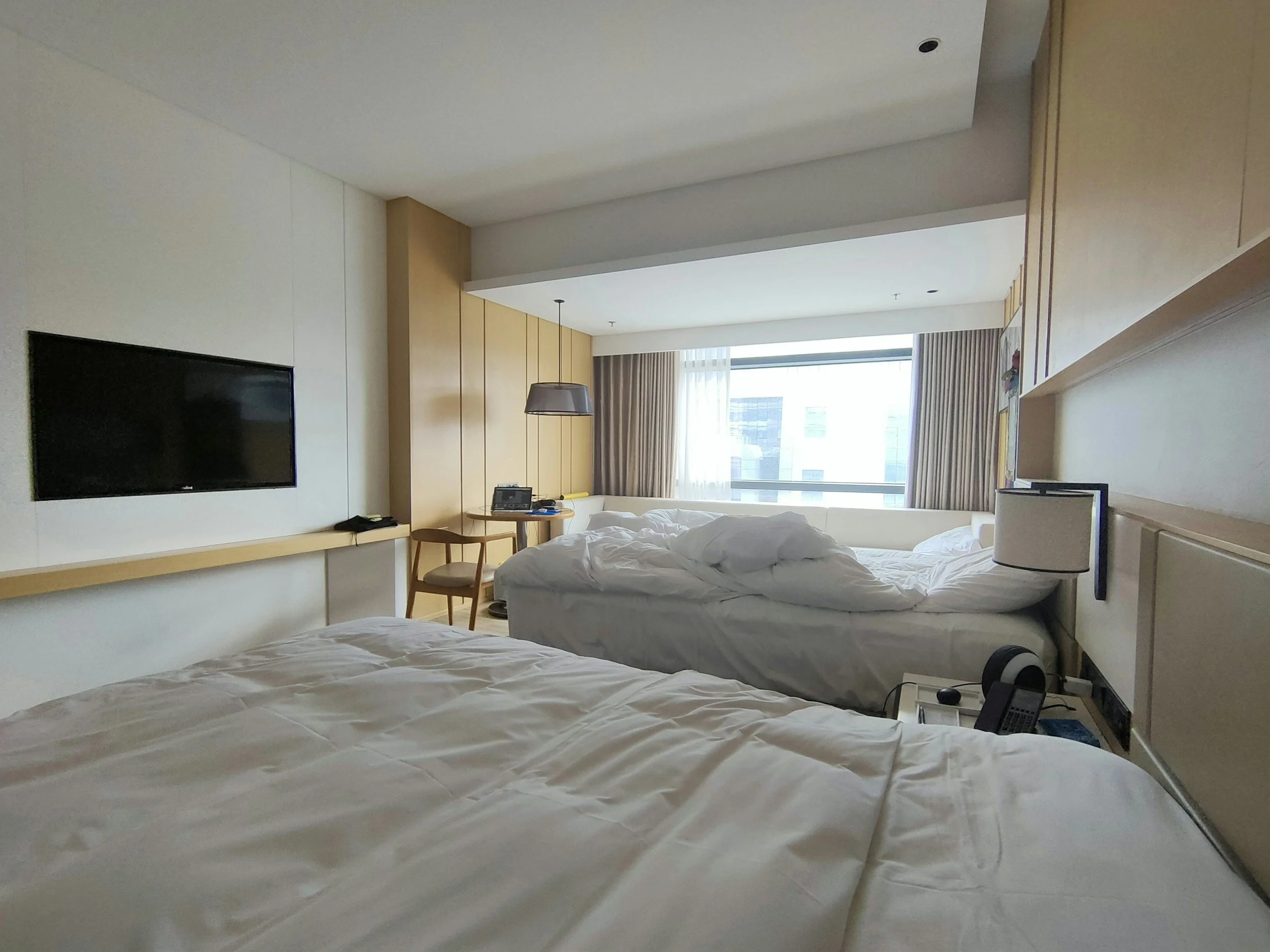
“Confidence in the Space Around You”
- AA IEQ Clean Label -
When you scan the QR code on the label and arrive at this page, the complete Clean Label displayed here indicates that the individual space you are in—whether a hotel guest room, a patient room in a healthcare facility, or another individual premises—has passed the applicable rigorous testing requirements.